Master Foundation Single Crochet: No Chain Needed
Learn the foundation single crochet technique for a stretchy, chain-free start to your projects. Perfect for garments and accessories.
WeLovePattern Editorial Team
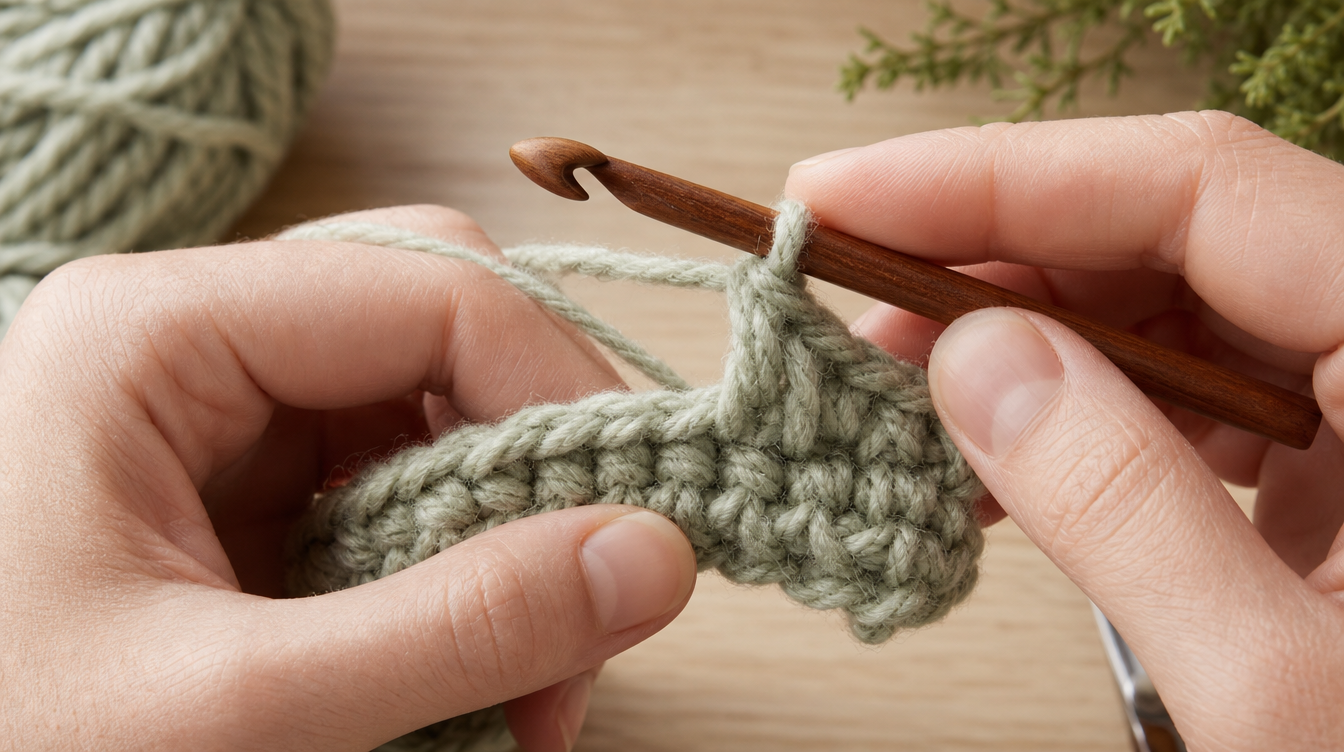
Introduction to Foundation Single Crochet
The foundation single crochet (FSC) technique is a transformative method for crochet enthusiasts, offering a seamless and efficient way to begin crochet projects. Traditional crochet starts with creating a long chain that serves as a base for the first row of stitches. However, the FSC combines these two steps, creating both the foundation chain and the first row of single crochet stitches simultaneously. This innovation not only saves time but also enhances the elasticity and flexibility of the starting edge, making it ideal for projects requiring stretch, such as hats, necklines, and fitted garments.
Materials and Hook Sizes
To execute the foundation single crochet technique effectively, you will need the following materials:
- Yarn: Select a yarn weight that aligns with your project requirements. Approved yarn weights for this technique include CYC #4 Worsted and CYC #3 DK. These weights provide a good balance of thickness and flexibility, essential for achieving a neat and elastic foundation row.
- Hook Size: For worsted weight yarn, use a 5.0 mm (H-8) hook. For DK weight yarn, a 4.0 mm (G-6) hook is recommended. These hook sizes are optimal for creating stitches that are neither too tight nor too loose, ensuring the right amount of stretch and structure in your work.
Choosing the right combination of yarn and hook size is crucial as it impacts the overall appearance and functionality of the project.
Step-by-Step Guide to Foundation Single Crochet
Follow these detailed steps to master the foundation single crochet technique:
- Start with a Slip Knot: Make a slip knot on your hook. This is the starting point for your crochet work and the first loop on your hook.
- Chain Two: Crochet two chains. These chains form the base into which you will work your first foundation single crochet.
- Insert Hook: Insert your hook into the first chain you created, which is the second chain from the hook. This is the initial step in forming your first FSC.
- Yarn Over and Pull Through: Yarn over and pull through the chain. At this point, you should have two loops on your hook. This step begins the creation of the base chain and the first stitch.
- Complete the First FSC: Yarn over and pull through the first loop on the hook to create the base chain of your FSC. Then, yarn over again and pull through both loops on the hook to complete the single crochet stitch.
- Continue the FSC Row: For each subsequent FSC, insert your hook into the base chain of the previous stitch. Yarn over and pull through the base chain, then yarn over, pull through the first loop, and yarn over again to pull through both remaining loops to complete the stitch.
- Repeat: Continue this process until you achieve the desired number of foundation single crochet stitches for your project. Each stitch adds to the elasticity and structure of your foundation row.
Troubleshooting and Tips for Success
Maintaining Tension
Uniform tension is essential for a neat and functional foundation row. If your stitches are too tight, your work may curl and become difficult to work with. Conversely, if the stitches are too loose, the edge can become floppy and uneven. Practice adjusting your grip on the yarn and hook until you find a comfortable and consistent tension that works for you.
Identifying the Correct Insertion Point
A common challenge when working with FSC is identifying the correct point to insert the hook for subsequent rows. After completing the first FSC, always insert your hook into the base chain of the previous stitch. This ensures that your stitches are aligned and the structure of your project is maintained.
Project Applications and Variations
The FSC technique is versatile and can be adapted for a variety of projects. Here are some applications:
- Garments: Use FSC for stretchy necklines, cuffs, and waistbands, providing comfort and flexibility.
- Accessories: Apply FSC to hats and headbands to achieve a snug yet comfortable fit, perfect for items that require a bit of give.
- Blankets: Starting a blanket with FSC gives a flexible edge that won't constrict the overall layout, making it an excellent choice for lapghans, throws, and larger blankets.
Sizing Considerations and Yardage
When planning a project, it's crucial to consider standardized dimensions and yardage requirements:
- Baby Blanket: 30 x 36 inches (76 x 91 cm)
- Lapghan: 36 x 48 inches (91 x 122 cm)
- Throw Blanket: 50 x 60 inches (127 x 152 cm)
- Twin Blanket: 66 x 90 inches (168 x 229 cm)
To accurately calculate the amount of yarn needed for your project, utilize the Area Ratio Swatch Scaling Method. This involves creating a swatch with your chosen yarn and hook, measuring its dimensions to calculate the area, weighing the swatch to determine the yardage used, and applying the formula to estimate the total yardage required for your entire project. This method accounts for different blanket sizes and ensures you have enough yarn to complete your project without running short.
Fiber Choices and Effects
Choosing the right fiber for your project can significantly affect the outcome. Here's a quick overview of popular fiber options:
- Wool: Known for its warmth and elasticity, wool is an excellent choice for garments and accessories. It's especially effective in projects requiring stretch. However, wool can be more challenging to care for and may require gentle washing.
- Acrylic: This synthetic fiber is affordable and easy to care for, making it a popular choice for beginners and for projects that will see frequent use, such as blankets and children's items. Acrylic lacks the natural elasticity of wool but offers vibrant colors and durability.
- Cotton: Cotton is breathable and absorbent, making it suitable for summer garments and household items like dishcloths. It has less stretch than wool, so it may not be the best choice for projects needing elasticity. Cotton is generally easy to care for, though it may shrink slightly after washing.
Blocking Procedures
Blocking is a vital step in finishing crochet projects, helping to even out stitches and set the final shape:
Wet Blocking
Wet blocking involves soaking your finished project in water, gently squeezing out the excess, and laying it flat to dry in the desired shape. This method is particularly effective for wool and cotton projects, as it helps to relax the fibers and can significantly improve the drape and appearance of the finished piece.
Steam Blocking
Steam blocking utilizes the heat and moisture from steam to set stitches. Hold a steaming iron or steamer above the project, being careful not to touch it directly. Gently shape the project as you steam, which is ideal for acrylic yarns that may not respond as well to wet blocking. Steam blocking helps to quickly set the shape of the project without the need for extensive drying time.
Frequently Asked Questions
How is the foundation single crochet different from a traditional chain start?
The foundation single crochet combines the initial chain and the first row of stitches into one step, providing greater elasticity and saving time compared to traditional chain starts.
Why use foundation single crochet?
It is preferred for projects needing a stretchy base, such as hats, necklines, or fitted garments, where a flexible and comfortable fit is essential.
Can I use FSC for any pattern?
Yes, you can use FSC for any pattern, but ensure that the pattern's stitch count matches the FSC row to maintain the intended size and fit of the project. This adaptation can enhance the overall functionality and appearance of the finished piece.