How to Fix Crochet Gaps in Amigurumi: A Complete Guide
Learn effective techniques to reduce crochet gaps in your amigurumi projects for a polished, professional finish.
WeLovePattern Editorial Team
Understanding Crochet Gaps in Amigurumi
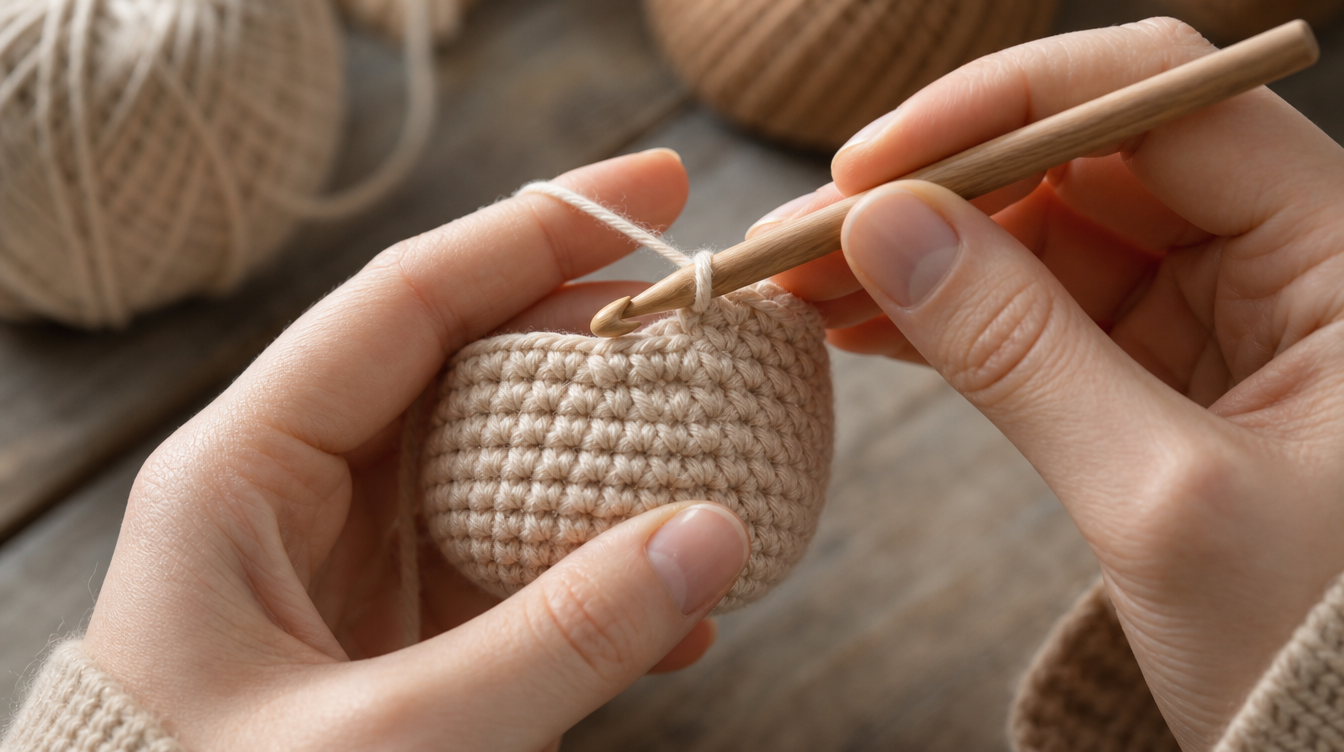
Amigurumi, the Japanese art of knitting or crocheting small stuffed yarn creatures, is beloved for its charming results. However, one common challenge that many crocheters face is dealing with unwanted gaps in their amigurumi projects. These gaps can make the stuffing visible and detract from the polished look of your creation. Fortunately, there are several techniques to reduce or eliminate these gaps, ensuring your amigurumi looks as professional as possible.
Essential Materials and Tools
Before diving into techniques, ensure you have the right materials and tools:
- Yarn: Use CYC #4 Worsted or CYC #3 DK weight yarn for optimal results. These yarn weights strike a balance between thickness and manageability, providing a solid structure for your amigurumi.
- Crochet Hook: Opt for a smaller hook size, such as 4.0 mm (G-6) or 5.0 mm (H-8), to create tighter stitches. A smaller hook size helps compress the yarn, resulting in a denser fabric that resists gaps.
- Stuffing: High-quality polyester fiberfill is recommended for firmness and shape retention. It fills the space within your amigurumi evenly and maintains its form over time.
- Stitch Markers: Useful for keeping track of your rounds and ensuring even stitch placement, which is crucial in maintaining uniform tension.
Techniques to Minimize Gaps
1. Use the Magic Ring Technique
Starting your amigurumi projects with the magic ring (also known as the magic circle) is a great way to avoid the initial gap often seen when starting with a chain loop. This technique allows you to pull the center tightly closed, eliminating the hole at the start of your work. It creates a seamless beginning that sets the tone for the rest of your project.
2. Choose the Right Hook Size
Using a smaller hook size than what is recommended on your yarn label can create a denser fabric. This is crucial in amigurumi projects where tighter stitches help keep the stuffing in and maintain the shape. Experiment with different hook sizes within the approved range to find what works best for your particular yarn.
3. Maintain Consistent Tension
Inconsistent tension can lead to uneven fabric and unwanted gaps. Practice maintaining even tension by holding your yarn consistently as you crochet. This might take some practice, but it is key to smooth, professional-looking amigurumi. Regularly check your work as you progress to ensure the tension remains consistent.
4. Adjust Your Yarn and Fiber Choices
Different fibers can behave uniquely when crocheted. Acrylic yarns are popular for their durability and ease of care, while wool offers elasticity but can be less forgiving in terms of visible gaps. Cotton yarn, with its lack of stretch, can provide a clean, crisp finish but may require more precision in tension control. Experiment with different yarns to see which gives you the best results for minimizing gaps.
Construction Steps for Gap-Free Amigurumi
- Start with a Magic Ring: Begin your amigurumi piece with a magic ring to eliminate starting gaps. Insert your hook into the loop and pull up a loop, then chain one to start your first round of single crochet stitches.
- Work in Continuous Rounds: Unlike working in turned rows, continuous rounds (spiral) help maintain the tightness of the stitches by eliminating the need for turning and chaining, which can introduce slack.
- Use Single Crochet Stitches: Opt for single crochet stitches, as they are dense and help prevent gaps. This stitch creates a firm texture that is ideal for stuffing containment and shape maintenance.
- Stuff Firmly: As you complete your rounds, stuff the amigurumi firmly but not too tightly, as over-stuffing can stretch the fabric and create gaps. Distribute stuffing evenly to maintain the intended shape and avoid bulges.
Advanced Techniques and Troubleshooting
Beyond the basics, there are several advanced techniques and troubleshooting tips to further refine your amigurumi:
1. Use Invisible Decreases
When decreasing stitches, use an invisible decrease to maintain the smoothness of your work. Insert your hook into the front loops of the next two stitches, yarn over, and pull through both loops. This method avoids the bulkiness that can occur with traditional decreases.
2. Block Your Finished Piece
Blocking can help smooth out your finished amigurumi. Wet blocking involves soaking your piece in water, shaping it, and letting it dry, while steam blocking uses steam to relax the fibers. Choose the method that suits your fiber type, being cautious with delicate fibers like wool.
3. Monitor Your Progress
Regularly assess your work for consistency. If you notice any changes in tension or stitch uniformity, pause and try to identify the source of variation. Correcting issues early can prevent larger problems later in the project.
4. Border Curling Solutions
If your project edges start to curl, it may be due to uneven tension or insufficient stitches at the edges. Consider adding an additional stitch at the end of rounds or rows to provide extra width and stability.
Helpful Tips and Variations
- Try Different Yarn Types: Some yarns are more prone to gaps than others. Experiment with different fibers to see which gives you the best results.
- Adjust Your Hook Size: If you are still seeing gaps, try going down another hook size to further tighten your stitches.
- Double Check Your Tension: Regularly check your tension as you work. If you notice any changes, adjust your grip on the yarn or your hook handle.
- Practice Regularly: Like any skill, improving your crochet technique takes practice. The more you crochet, the more intuitive managing tension and avoiding gaps will become.
Frequently Asked Questions
How can I prevent stuffing from showing through my amigurumi?
Use a smaller hook size to create tighter stitches and ensure even tension throughout your project. Additionally, choose a yarn weight that matches your hook size for optimal results.
Why do gaps appear in my amigurumi?
Gaps can occur due to loose tension, using a hook size that is too large for the yarn, or not using techniques like the Magic Ring to close the starting loop of a round.
What is the best stitch to use for amigurumi to avoid gaps?
Single crochet (UK: double crochet) is the most commonly used stitch for amigurumi as it creates a tight, dense fabric that helps minimize gaps.
By employing these techniques and tips, you can significantly reduce or eliminate gaps in your amigurumi projects, resulting in a more polished and professional finish. Happy crocheting!