How to Fix Leaning Crochet Stitches in the Round
Learn how to fix leaning crochet stitches in the round with practical techniques and expert tips for achieving a professional finish.
WeLovePattern Editorial Team
Understanding Leaning Crochet Stitches
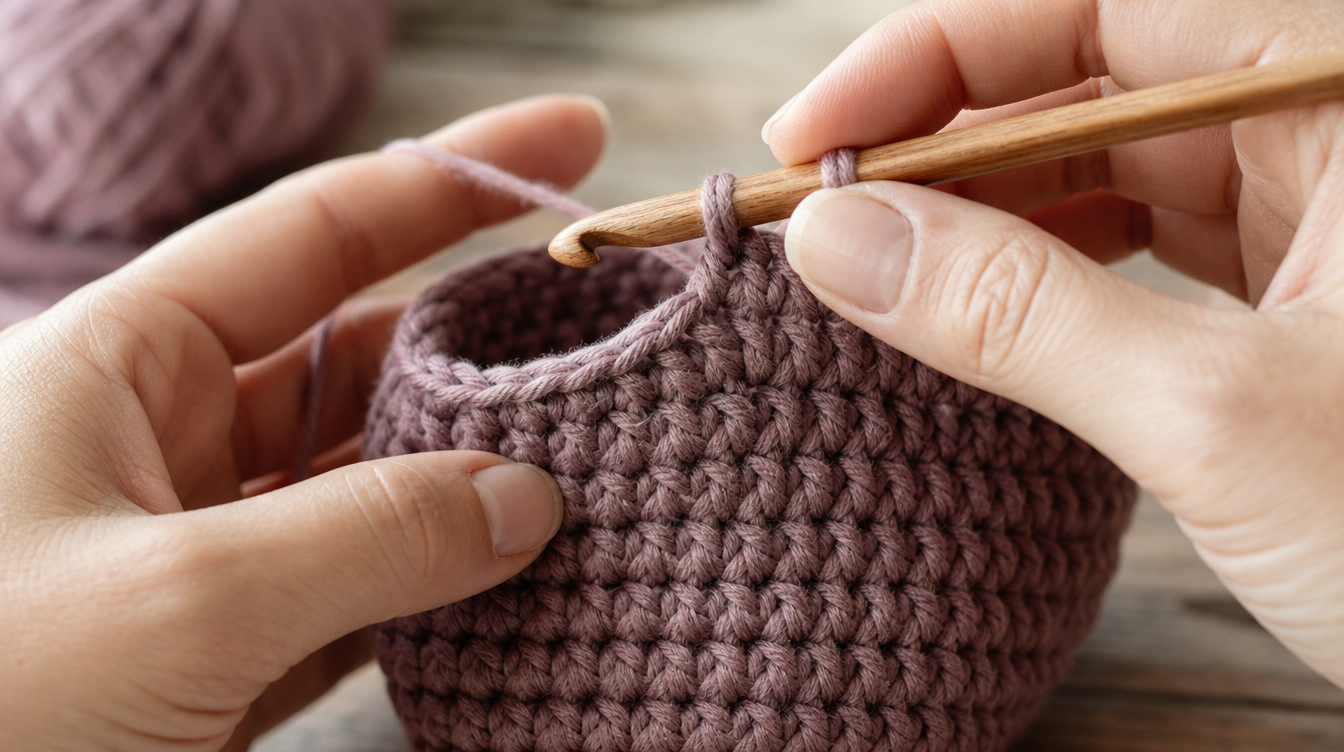
When working on crochet projects in the round, many crafters encounter the issue of leaning stitches. This phenomenon is primarily due to the natural spiral that forms when crocheting in continuous rounds, especially with taller stitches like double crochets. The lean can create an uneven or slanted fabric appearance, which can be frustrating if you're aiming for a polished finish. This article delves into the causes of leaning stitches, methods to correct them, and tips to achieve a professional look in your crochet projects.
Common Causes of Leaning Stitches
The primary reason behind leaning stitches is the continuous, spiral nature of crocheting in the round. Unlike joined rounds, continuous rounds do not have a definitive start or end, causing the stitches to naturally tilt over time. This tilting is more noticeable with taller stitches, which tend to have more height and thus a greater tendency to lean. Understanding the underlying mechanics is crucial to effectively address and correct this issue.
Materials and Tools Needed
- Yarn: Choose from CYC #4 Worsted or CYC #3 DK weight yarn. The type of yarn can affect the overall drape and elasticity of your project, influencing how noticeable the lean might be.
- Crochet Hooks: Use a 5.0 mm (H-8) or 4.0 mm (G-6) hook, depending on your yarn choice and desired tension. The hook size plays a pivotal role in stitch height and tension, both of which are factors in stitch leaning.
Techniques to Correct Leaning Stitches
Switch to Joined Rounds
One effective method to combat leaning stitches is to switch from continuous rounds to joined rounds. This involves completing each round with a slip stitch and then turning your work before starting the next round. By alternating the direction with each round, you counterbalance the natural tilt, resulting in a more uniformly straight fabric. This technique is particularly beneficial for projects where symmetry and precision are paramount.
Alternate Stitch Heights
Incorporating different stitch heights within your rounds can also help. By alternating between single crochets, half-double crochets, and double crochets, you can create a more balanced fabric. This technique helps distribute the tension more evenly, reducing the overall lean. Additionally, alternating stitch heights can add texture and visual interest to your project, enhancing its aesthetic appeal.
Adjusting Tension
Consistent tension is crucial in preventing leaning stitches. Uneven tension can lead to varying stitch heights, exacerbating the leaning effect. Practice maintaining uniform tension, and if necessary, adjust your grip or the way you hold your yarn. Consider using ergonomic hooks or experimenting with different crochet styles to find what best suits your natural hand movements.
Blocking for Uniformity
Blocking is an essential finishing step for many crochet projects, especially those worked in the round. There are two main types of blocking: wet blocking and steam blocking. Wet blocking involves soaking your project in water, gently squeezing out excess moisture, and then pinning it to the desired dimensions and shape. Steam blocking, on the other hand, uses steam from an iron or steamer to relax the fibers, allowing them to be reshaped. Both methods help set stitches, reduce leaning, and achieve a polished, professional finish.
Helpful Tips for a Professional Finish
- Use Stitch Markers: Mark the beginning of each round to keep track of your progress and ensure accurate stitch counts. This practice helps maintain the integrity of your pattern and prevents unintentional shifts in stitch alignment.
- Regularly Check Your Work: Frequently assess your project to identify any leaning early on, allowing you to make adjustments before it becomes more pronounced. Early detection can save considerable time and effort in correcting severe leaning.
- Block Your Work: Once completed, blocking your project can help to set the stitches and reduce any residual lean. This step is particularly crucial for larger projects like blankets, where uniformity is vital.
Understanding Yarn and Fiber Choices
The type of yarn you choose can significantly impact your project's outcome. Wool tends to have excellent elasticity, helping stitches bounce back into shape, which can mitigate some leaning. Acrylic yarns, while less elastic than wool, offer durability and are often more affordable. Cotton yarns, known for their crisp stitch definition, can make leaning more apparent but provide a lightweight, breathable fabric. Consider the properties of each fiber type when selecting yarn for your project.
Swatch Calculations for Blanket Projects
Before starting a large project like a blanket, it's crucial to calculate the yardage required. Using the Area Ratio Swatch Scaling Method, you can determine the necessary yardage based on a sample swatch. Calculate the area of your swatch by multiplying its length and width, then apply the formula: Total Yardage = (Blanket Area / Swatch Area) * Swatch Yardage * 1.10. This method ensures you have enough yarn, accounting for a 10% safety buffer to accommodate any unforeseen discrepancies in tension or stitch pattern.
Variations and Advanced Techniques
For more experienced crocheters, experimenting with different stitch patterns and techniques can lead to innovative solutions for leaning stitches. Consider trying tapestry crochet or incorporating color changes to disrupt the spiral and add visual interest. Advanced techniques like using post stitches or overlay crochet can also create unique textures that draw attention away from any lean.
Frequently Asked Questions
Why do my crochet stitches lean when working in the round?
Crochet stitches can lean due to the natural spiral created when working in continuous rounds. This is more pronounced in taller stitches.
How can I prevent my stitches from leaning?
Switching to joined rounds with turning, or alternating stitch heights, can help prevent leaning.
Is it normal for all crochet projects in the round to lean?
Some degree of leaning is common, but it can be minimized with proper techniques such as adjusting tension and alternating directions.