How to Fix Tight Crochet Tension: Achieve Even, Flexible Stitches
Learn how to adjust your crochet tension for even stitches and a flexible fabric with these expert tips and techniques.
WeLovePattern Editorial Team
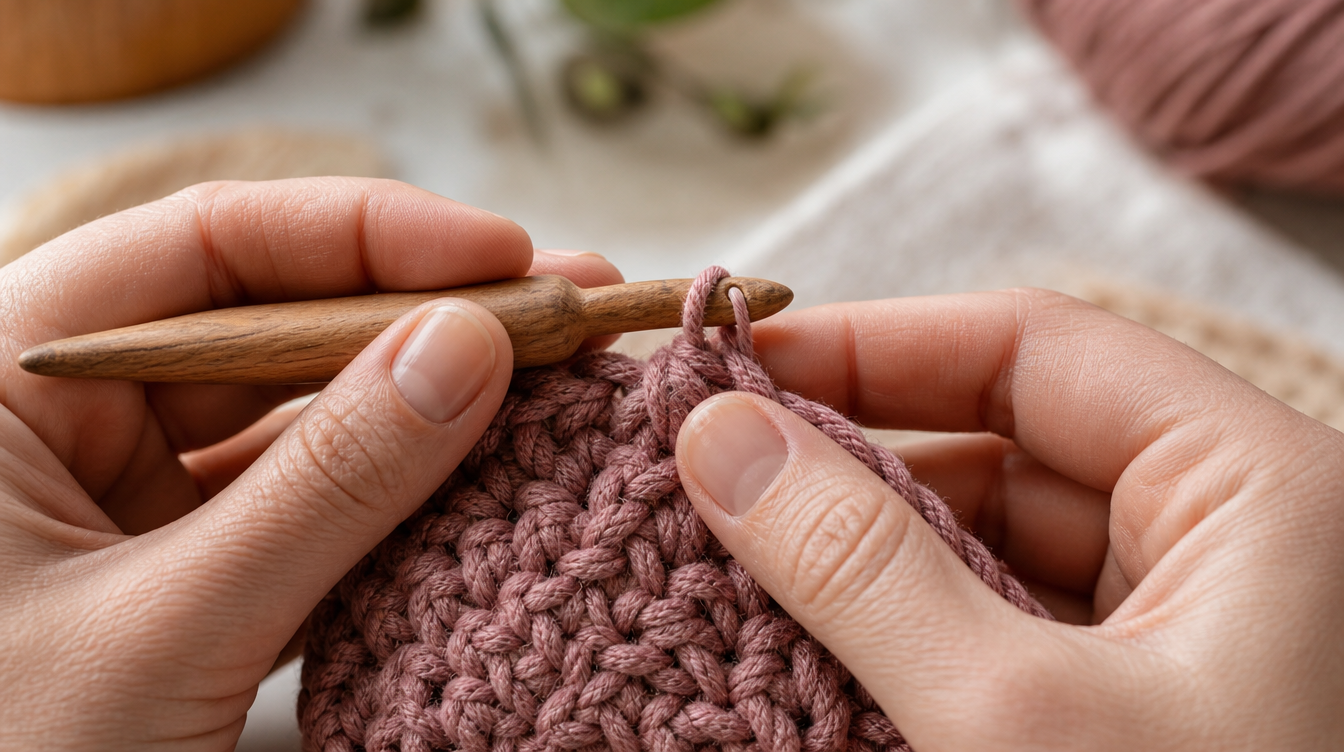
Understanding Crochet Tension
Crochet tension, also known as gauge, is a fundamental element in crafting projects that align with the intended size and drape. Tight tension results in projects that are smaller than anticipated, challenging to work into, and less flexible. If you're grappling with tight crochet tension, there are numerous strategies you can employ to achieve the desired look and feel of your work. Mastering tension control not only enhances the aesthetic appeal of your creations but also increases your enjoyment of the craft.
Materials and Tools
Before delving into solutions, ensure you have the appropriate materials at hand. The right combination of hook size and yarn weight forms the foundation for adjusting your tension effectively.
Yarn and Hook Recommendations
- Yarn Weight: Opt for CYC #4 Worsted or CYC #3 DK weight yarn. These weights are versatile and widely used across various crochet projects, providing a good balance between thickness and flexibility.
- Hook Sizes: Start with a 4.0 mm (G-6) hook and consider transitioning to a 5.0 mm (H-8) for looser tension. This slight increase can make a significant difference in your stitch size and overall fabric flexibility.
Practical Techniques to Loosen Tension
Explore these actionable steps to transition from tight to just-right tension, ensuring that your projects are not only beautiful but also comfortable to create.
Use a Larger Hook
Switching to a larger hook is one of the simplest methods to adjust your tension. If you're currently using a 4.0 mm (G-6) hook, try moving up to a 5.0 mm (H-8). The larger hook naturally creates larger loops, leading to a looser fabric. This adjustment can transform your work from tight and rigid to soft and supple, enhancing the drape of garments and blankets alike.
Relax Your Grip
Your hand tension significantly influences how tight your stitches are. Practice holding your yarn and hook more gently, allowing for natural movement. Strive to maintain a relaxed grip, as this can have a profound impact on the tension of your stitches. Regularly taking breaks to stretch your hands and fingers can prevent cramping and encourage a looser grip.
Ensure Smooth Yarn Flow
An often-overlooked factor in tension is the way your yarn feeds from the skein. Ensure that your yarn pulls smoothly without catching or pulling, which can inadvertently increase tension. Consider using a yarn bowl or a similar tool to facilitate a steady, even flow of yarn, preventing unnecessary tightening as you crochet.
Checking Your Gauge
Checking your gauge before embarking on a project is crucial for ensuring your tension aligns with pattern requirements. This step can prevent surprises related to size and fit once your project is completed.
Swatching for Success
- Step 1: Crochet a small swatch using the stitch pattern from your project. This allows you to test your tension under real working conditions.
- Step 2: Measure the dimensions of your swatch to determine its area. This measurement is essential for scaling your project accurately.
- Step 3: Compare this to the intended dimensions of your project, such as a baby blanket (30 x 36 inches or 76 x 91 cm).
- Step 4: Adjust your hook size or tension based on your findings to match the required gauge. This might involve repeating the swatch process with different hooks or adjusting your technique until you achieve the desired result.
Yardage Considerations
Adjustments in hook size or tension can influence the amount of yarn required, as looser stitches often demand more yarn.
Estimate Yardage with Swatch Scaling
After creating your swatch, use these steps to estimate the total yarn yardage needed for your project:
- Measure your swatch area accurately to ensure precise scaling.
- Calculate the area of your intended project size, using standard dimensions like those of a lapghan (36 x 48 inches or 91 x 122 cm).
- Apply the Area Ratio Swatch Scaling Method formula: Total Yardage = (Blanket Area / Swatch Area) * Swatch Yardage * 1.10.
- This method accounts for a 10% safety buffer, standard in crochet projects to accommodate variations in tension and unforeseen adjustments.
Advanced Techniques for Tension Control
Beyond basic adjustments, consider these advanced techniques to refine your tension control further, enhancing both your skill set and finished projects.
Blocking Techniques
Blocking is a powerful tool for evening out tension discrepancies and improving the drape of your finished work. Depending on your yarn type, choose between wet blocking, which involves soaking the project and shaping it as it dries, or steam blocking, which uses steam to relax the fibers and shape the fabric. Wool and acrylic fibers respond well to these methods, while cotton may require careful handling to avoid overstretching.
Fiber Choices and Their Impact
The fiber content of your yarn can significantly impact tension. Wool offers elasticity, making it forgiving in terms of tension adjustments, while cotton and acrylic provide less stretch, necessitating more precise control. Experiment with different fibers to understand how each affects your tension and adjust your approach accordingly.
Troubleshooting Common Tension Issues
Address these common tension-related issues to perfect your crochet projects.
Dealing with Uneven Tension
If you notice that your tension varies throughout your project, leading to uneven stitches, consider using stitch markers to help maintain consistency. Regularly counting your stitches can also prevent accidental increases or decreases that affect tension.
Preventing Border Curling
Border curling is often a result of inconsistent tension across rows. Ensure that your first and last stitches are worked with the same tension as the rest of the row, and consider using a slightly larger hook for border rows to prevent curling.
Frequently Asked Questions
How can I adjust my tension if my stitches are too tight?
Try using a larger hook size to achieve a looser tension and practice maintaining a relaxed grip on your yarn and hook. These adjustments can significantly improve the flexibility and size of your finished project.
Why does my project turn out smaller than expected?
Tight tension causes projects to be smaller than intended. Checking gauge with a swatch before starting can help adjust tension appropriately, ensuring your finished piece meets the desired dimensions.
Does using a larger hook affect the look of my crochet project?
Using a larger hook will create looser stitches, which can result in a more drapey fabric with a different texture than tightly worked stitches. This adjustment can be particularly beneficial for projects where a soft, flowing fabric is desired.
Conclusion
Adjusting crochet tension is a journey of practice and experimentation. With the right tools and techniques, you can create beautifully even and flexible projects. Regularly checking your gauge and being willing to adapt your methods as needed will lead to successful crochet endeavors. Enjoy the process of discovering what works best for you, and happy crocheting!