Waffle Stitch Crochet Blanket Tutorial
Learn how to create a beautiful waffle stitch crochet blanket with our step-by-step guide, including materials, dimensions, and expert tips.
WeLovePattern Editorial Team
Introduction to the Waffle Stitch Crochet Blanket
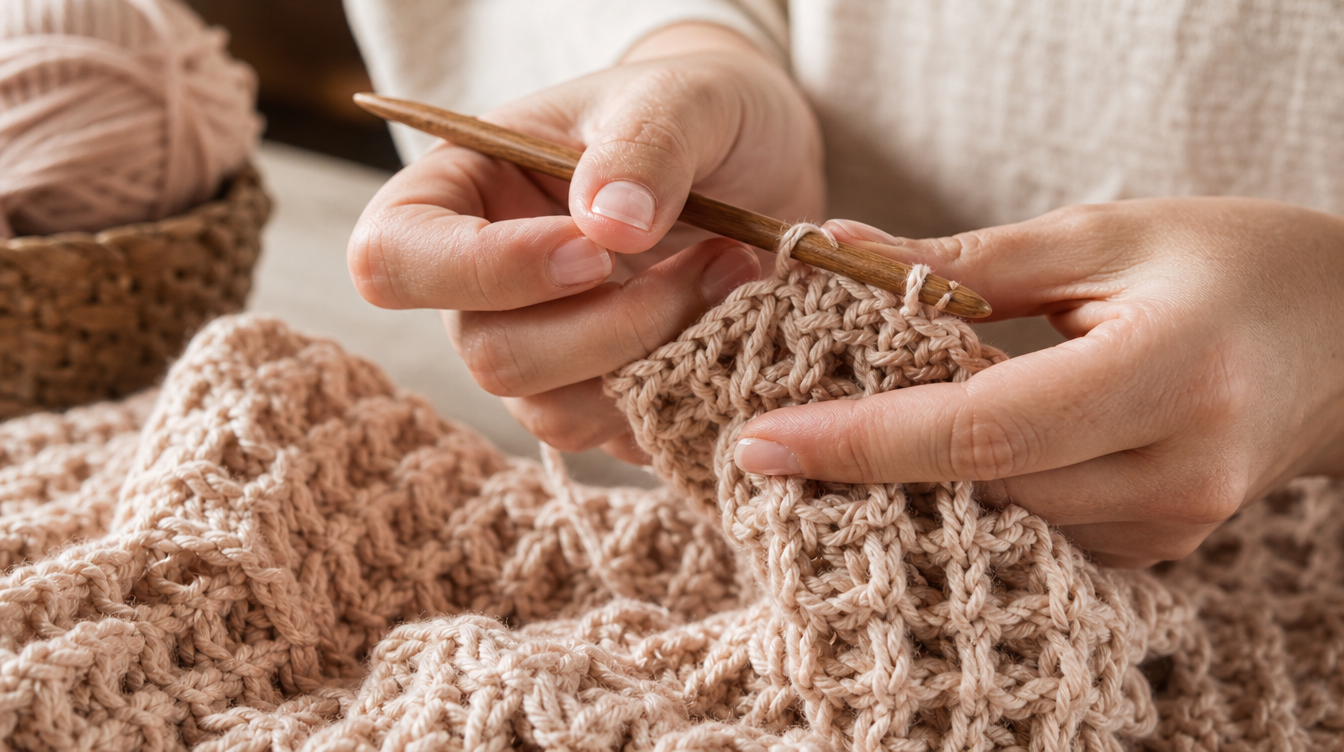
The waffle stitch is a delightful crochet technique that lends a rich, textured pattern to any project. Its three-dimensional look is perfect for cozy blankets that provide both warmth and visual interest. In this tutorial, we will guide you through the process of creating a waffle stitch crochet blanket, from gathering materials to completing your final piece. Whether you are a beginner or an experienced crocheter, this comprehensive guide will ensure you have all the information needed to create a beautiful blanket.
Materials Needed
Before diving into your crochet project, it's important to gather the right materials. Here's what you'll need:
- Yarn: Choose a medium weight yarn, such as CYC #4 Worsted, for a substantial feel. You can also use CYC #3 DK for a lighter blanket. Yarn choice is crucial, as the texture and weight will influence the blanket's drape and warmth. Consider yarns like wool for warmth, acrylic for easy care, or cotton for breathability.
- Crochet Hook: Use a 5.0 mm (H-8) hook for worsted weight yarn or a 4.0 mm (G-6) hook for DK weight yarn. The hook size affects the density and flexibility of your stitches.
- Scissors: For cutting yarn.
- Tapestry Needle: For weaving in ends.
- Measuring Tape: To ensure accurate dimensions.
Understanding the Waffle Stitch Technique
The waffle stitch is achieved by alternating front post and regular double crochets, creating a textured grid pattern. Here’s a brief overview of the technique:
- Foundation Chain: Begin with a foundation chain that is an even number plus two to accommodate the pattern.
- Row 1: Double crochet (dc) in the third chain from the hook and in each chain across.
- Row 2: Chain two (counts as first dc), front post double crochet (fpdc) around the next dc, dc in the next stitch, repeat from * to end.
- Row 3: Chain two, dc across.
- Repeat Rows 2 and 3 for the pattern.
This stitch pattern creates a thick, warm fabric ideal for blankets. The interplay of front post and regular double crochets forms a series of "waffles" or raised squares, contributing to the overall texture.
Calculating Yarn Requirements
Estimating the correct amount of yarn is crucial, especially for the waffle stitch, which uses more yarn due to its three-dimensional structure. Use the Area Ratio Swatch Scaling Method for accuracy:
- Step 1: Crochet a swatch using the waffle stitch and measure its dimensions.
- Step 2: Calculate the swatch area by multiplying length by width.
- Step 3: Measure the yardage used for the swatch. This can be done by weighing the swatch and comparing it to the total weight and yardage of the skein.
- Step 4: Calculate the blanket area. For example, a Throw Blanket measures 50 x 60 inches.
- Step 5: Apply the formula: Total Yardage = (Blanket Area / Swatch Area) * Swatch Yardage * 1.10 to estimate total yardage, including a 10% buffer to account for variations in tension and potential errors.
Creating a swatch not only helps with yardage estimation but also allows you to practice the stitch, ensuring a consistent tension before embarking on the full project.
Step-by-Step Construction of Your Blanket
With materials in hand and a swatch completed, you’re ready to start your blanket:
- Foundation: Create your foundation chain with an even number plus two. This ensures the pattern aligns correctly.
- First Row: Work a double crochet in the third chain from the hook and continue across. This forms the base of your blanket.
- Pattern Rows: Follow the waffle stitch pattern as described, alternating between rows of front post and regular double crochets. This is where the texture begins to build.
- Finish: Once desired dimensions are reached, fasten off and weave in loose ends using a tapestry needle.
- Blocking: Consider wet or steam blocking the finished blanket to even out stitches and enhance its drape. Wet blocking involves soaking the blanket, shaping it while damp, and allowing it to dry flat. Steam blocking uses a steam iron held above the fabric, carefully avoiding direct contact.
Tips for a Successful Crochet Experience
- Maintain Tension: Consistent tension is key to a uniform texture. Consider practicing on a swatch before starting your blanket. Check your tension periodically to ensure consistency.
- Check Gauge: Regularly measure your work to ensure you’re on track with the desired dimensions. A gauge swatch can help you match the recommended measurements.
- Yarn Management: Keep extra yarn on hand to accommodate the waffle stitch's higher yarn consumption. This prevents running out of yarn mid-project.
- Border Management: If your blanket’s edges curl, add a simple border in single crochet to stabilize and flatten them.
Variations and Customization
The waffle stitch offers versatility for customization:
- Color Changes: Use different colors for each row or section to create stripes or blocks. This can add visual interest and allow for personal expression.
- Border: Add a simple border in single crochet or a picot edge for a polished finish. Borders can enhance the overall look and provide structure.
- Size Adjustments: Modify the foundation chain length for custom blanket sizes, keeping the even number plus two rule in mind. This flexibility allows you to craft a blanket that perfectly suits your needs.
Frequently Asked Questions
How do I start a waffle stitch blanket?
Begin with a foundation chain that is an even number plus two to accommodate the pattern. This initial step is crucial for maintaining the pattern’s symmetry throughout the project.
What yarn is best for a waffle stitch blanket?
A medium weight, such as CYC #4 Worsted, is recommended for a substantial feel and defined texture. The choice of yarn influences the blanket's warmth, weight, and overall appearance.
Why does waffle stitch use more yarn?
The three-dimensional texture of the waffle stitch requires more yarn than flat stitches due to its raised pattern. This should be considered when planning your project to ensure adequate supplies.
Troubleshooting Common Issues
Even experienced crocheters can encounter challenges. Here are some solutions to common problems:
- Uneven Tension: If your stitches vary in size, practice the stitch on a small swatch until you find a comfortable, consistent style.
- Curling Edges: Ensure your foundation chain is not too tight, and consider adding a border to counteract curling.
- Yarn Shortage: Ensure to calculate yardage accurately and purchase additional skeins to allow for any miscalculations or future repairs.
By considering these tips and solutions, you can create a waffle stitch crochet blanket that is as beautiful as it is functional, providing warmth and comfort for years to come.