Master the Art of Crochet with This Autumn Leaf Pattern Guide
Discover how to crochet autumn leaf patterns with ease. Our guide covers materials, techniques, and a tool to enhance your crafting experience.
WeLovePattern Editorial Team
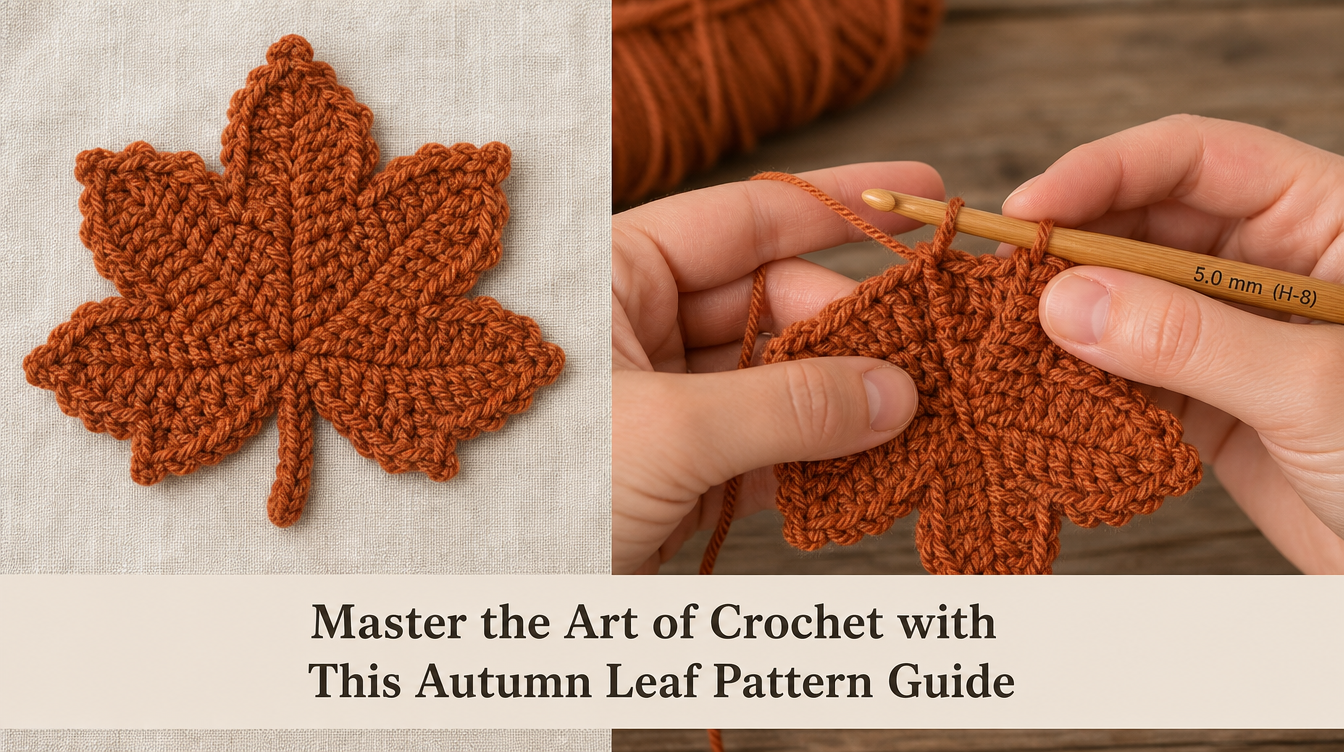
Embrace the Season: Crochet Your Own Autumn Leaves
As the leaves turn and the weather cools, what better way to celebrate autumn than by crocheting your own autumn leaf patterns? Whether you're looking to add a seasonal touch to your home decor or wanting to create a unique gift, crafting these delightful leaves is both rewarding and fun. This guide will walk you through everything you need to know to create beautiful and realistic crochet autumn leaves.
Gathering Your Materials
To begin your crochet autumn leaf project, you'll need the right materials. The recommended yarn for this project is an acrylic or wool blend in CYC #4 Worsted weight. This type of yarn is chosen not only for its durability but also for the wide variety of colors available, which are perfect for mimicking the vibrant hues of fall. You'll also need a 5.0 mm (H-8) crochet hook, which is ideal for working with this yarn weight. The hook size is crucial as using the correct size ensures your stitches are consistent and your leaves maintain their shape.
- Yarn: Acrylic or wool blends, CYC #4 Worsted
- Hook: 5.0 mm (H-8)
- Other Supplies: Scissors, tapestry needle, blocking mat, and pins
Choosing the right yarn and hook isn't just about the final look of the project; it's about the feel and the ease of crafting. Acrylic and wool blends provide the balance of elasticity and strength, making them easier to work with than some other fibers like cotton, which can be less forgiving.
Understanding the Pattern and Techniques
Creating a realistic crochet autumn leaf involves using a variety of stitches to replicate the natural textures found in leaves. You'll need to be comfortable with basic stitches such as single crochet (sc), double crochet (dc), and slip stitch (sl st). Textured stitches like bobbles and puff stitches can add depth and dimension, but remember they consume more yarn than flat stitches. The choice of stitches can dramatically alter the appearance of your leaves, so experimenting with different stitch combinations can help you achieve the desired look.
Blocking is an essential step after finishing your leaves. It helps to set the shape and give your leaves a more polished look. Additionally, using a stiffening agent can help your leaves hold their shape over time. There are two primary methods of blocking: wet blocking and steam blocking. Wet blocking involves soaking your finished piece in water, then shaping and pinning it on a blocking mat to dry. Steam blocking, on the other hand, uses steam to gently shape the project. Both methods have their advantages, but wet blocking is typically recommended for more delicate projects like these leaves, as it allows for more control over the final shape.
Step-by-Step Construction
- Start with a Magic Ring: This is the foundation of most crochet leaves. Create a magic ring and secure it with a chain.
- Round 1: Work a combination of sc, dc, and puff stitches around the ring to form the leaf's center. The magic ring technique ensures that the center is tight and neat, which is crucial for the overall look.
- Round 2: Increase the stitch count to expand the leaf shape, alternating between dc and sc for texture. Increases should be evenly spaced to maintain symmetry.
- Round 3: Continue to increase, adding picots or bobble stitches for added texture. These additional textures give the leaf more character and a realistic appearance.
- Finishing: Fasten off, weave in ends, and block to shape. Blocking at this stage will ensure that all the intricate details you've worked into the leaf are clearly defined.
Using the Crochet Timer for Efficiency
To keep your crafting sessions productive and ergonomic, consider using the Crochet Timer. This tool allows you to track your crafting time, calculate your stitching speed, and set alerts for breaks, helping you avoid fatigue. Crafting can be physically demanding on the hands and wrists, and without proper breaks, you can suffer from fatigue or even injury.
When starting your session, input the start time and pause whenever needed. Record the number of rows completed to see your average speed and projected finish date. The timer requires manual start and stop inputs for accuracy, so make sure to use it consistently. This tool not only helps you manage time but also provides insights into your crafting habits, allowing you to make adjustments to improve efficiency.
While it's a fantastic aid for timing and ergonomics, it won't account for gauge differences or yarn texture variations, so adjust your expectations accordingly.
Crochet Timer
Log crafting time, calculate your stitching speed (rows per hour), and set ergonomic break alerts.
Troubleshooting Tips for Perfect Leaves
If your leaves aren't turning out as expected, don't fret. Here are some common issues and how to address them:
- If your leaves are too floppy, ensure you're using the correct hook size and consider a stiffer yarn blend. The weight and texture of the yarn play a crucial role in the final structure of the leaves.
- For uneven shapes, maintain consistent tension throughout your work, and remember to block your finished leaves. Tension is a common issue that can lead to inconsistencies in size and shape.
- To achieve realistic color variations, consider using variegated yarns that shift naturally in color. These yarns can add a natural gradient to your leaves, enhancing their autumnal appearance.
Frequently Asked Questions
What is the best yarn for crocheting autumn leaves?
Acrylic or wool blends in CYC #4 Worsted are recommended for their durability and color variety. These yarns provide the strength needed to maintain the shape of your leaves while offering a wide palette to choose from.
How do I ensure my crochet leaves hold their shape?
Blocking the finished leaves and using a stiffening agent can help maintain shape. This is particularly important if the leaves will be used in a project where they need to withstand handling.
Can I mix different yarn weights when crocheting leaves?
Mixing yarn weights is not recommended as it can lead to uneven texture and shape. Consistency in yarn weight ensures that the leaves have a uniform look and feel.
Expanding Your Project: From Leaves to Blankets
Once you've mastered the art of crocheting autumn leaves, you might want to incorporate them into larger projects like blankets. Using the Area Ratio Swatch Scaling Method, you can accurately estimate the amount of yarn required for a larger project. Here's how you can do it:
- Step 1: Crochet a swatch using the same pattern and materials.
- Step 2: Measure the swatch area.
- Step 3: Calculate the blanket area based on desired dimensions (e.g., Baby Blanket: 30 x 36 inches).
- Step 4: Use the formula: Total Yardage = (Blanket Area / Swatch Area) * Swatch Yardage * 1.10. This calculation includes a 10% buffer to account for any unexpected changes in tension or pattern alterations.
By following these steps and utilizing the right tools, you'll be well on your way to creating stunning crochet autumn leaves that capture the essence of the season. Happy crocheting!